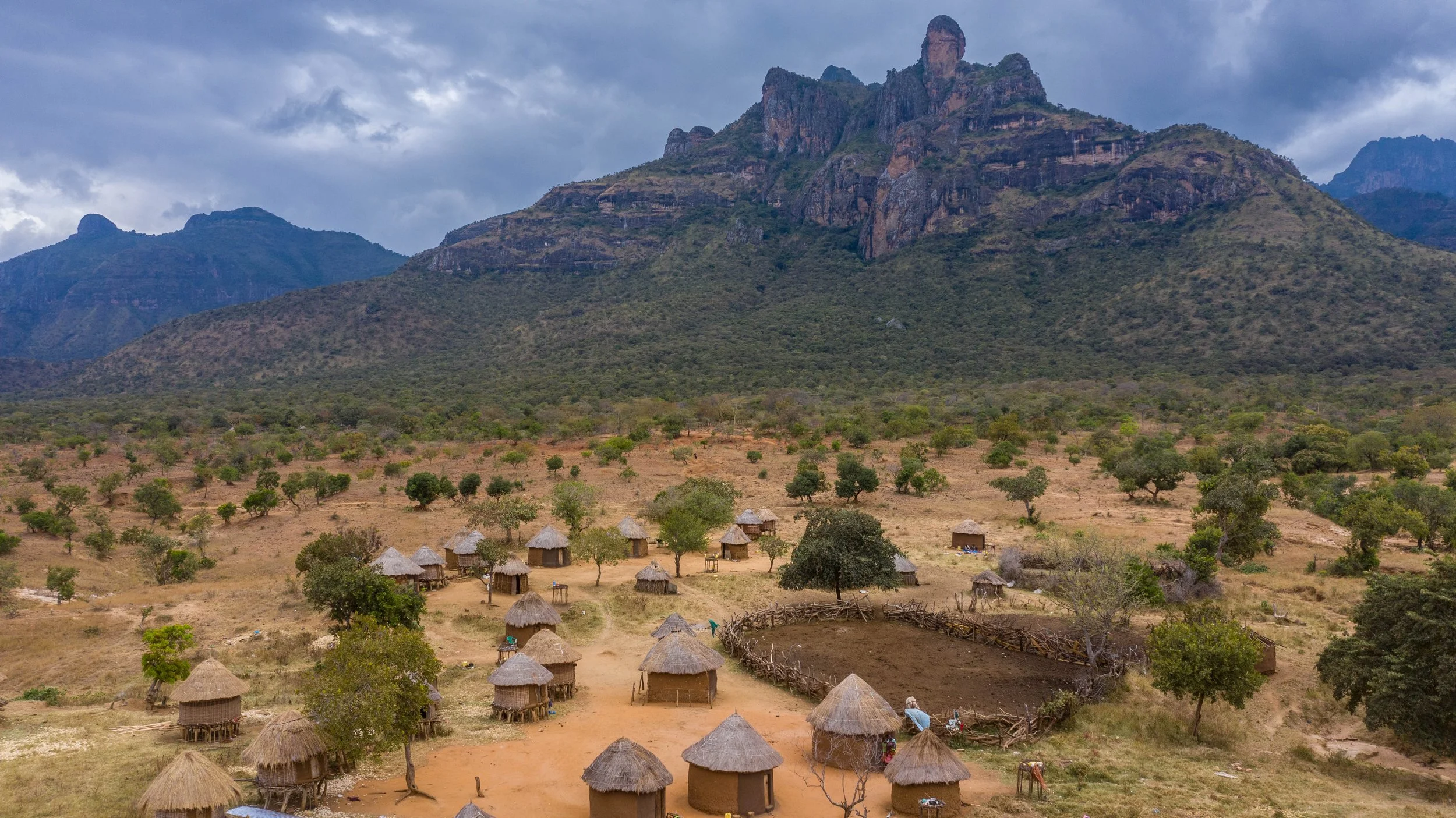
Agricultural development plan for the Karamoja region
Building a Climate Smart Farm in Karamoja, Uganda
This Academic Consultancy Training (ACT) project centers on the development of a 100 acre agricultural demonstration farm in the Karamoja subregion of northeastern Uganda. The objective is practical: design an agricultural system that increases food production under local climate conditions and strengthens long term self sufficiency for surrounding communities. The timeline spans ten years, but the groundwork begins immediately.
Karamoja is one of the most climate exposed regions in Uganda. Rainfall is seasonal and unpredictable. Droughts occur frequently. Flash floods are not uncommon. Temperatures are projected to rise in the coming decades. These environmental pressures interact with structural challenges such as weak infrastructure, limited electricity access, and low market connectivity.
Agriculture in the region is primarily subsistence based. Households typically combine crop farming with livestock keeping. Sorghum, maize, and beans are common crops. Livestock, especially cattle, holds economic and cultural significance. The dominant system is agro pastoralism, where livestock mobility and small scale cultivation reinforce each other. When crops fail, livestock provide a buffer. When grazing becomes scarce, crops become more important.
However, several constraints limit productivity. Soil fertility is declining due to nutrient depletion and limited fertilizer input. Access to irrigation is minimal, making farmers dependent on rainfall timing. Livestock diseases remain prevalent due to limited veterinary services. Roads are often impassable during the rainy season, restricting access to markets. Electricity coverage in rural areas is extremely low, limiting storage, processing, and irrigation options.
Education and literacy rates are also low, which affects technology adoption and information transfer. At the same time, the region has a young population and strong community structures that can support collective initiatives if systems are accessible and understandable.
In recent years, cropland expansion has increased as part of a shift toward more sedentary livelihoods. Yet expansion alone does not guarantee improved productivity. Without soil restoration, water management, and infrastructure investment, land degradation can accelerate.
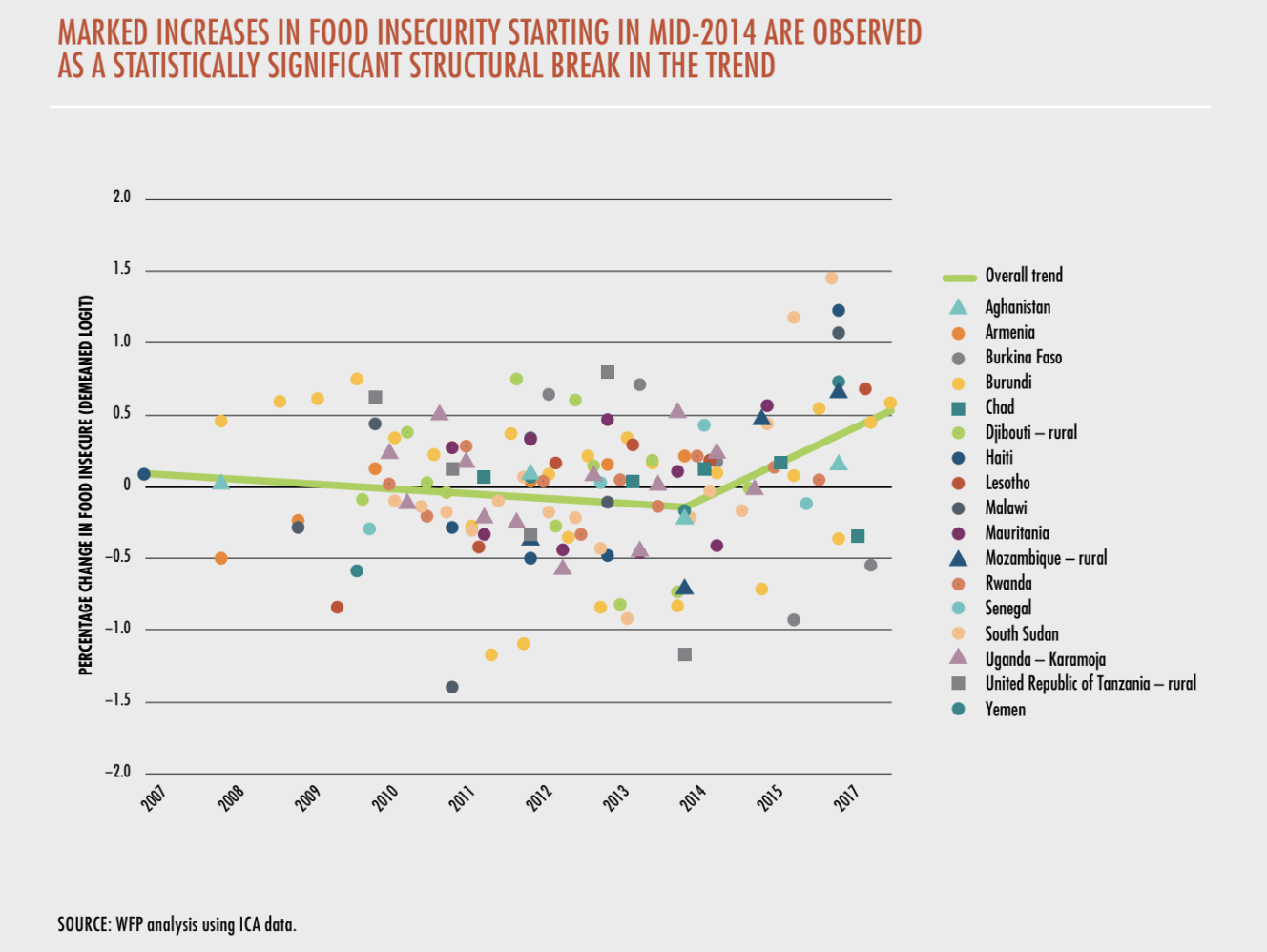
Citation: FAO, IFAD, UNICEF, WFP and WHO. 2017. The State of Food Security and Nutrition in the World 2017. Building resilience for peace and food security. Rome, FAO.
The 100 acre demonstration farm is intended to respond to these interconnected constraints. It is not designed as a stand alone commercial venture. It functions as a pilot system that tests how soil improvement, water harvesting, livestock integration, protected cultivation, and infrastructure investment can work together under local conditions. The intention is to create a technically sound model that remains realistic in terms of costs, skills, and maintenance requirements.
Year One: Establishing the Foundations
The first year focuses on infrastructure, soil preparation, water management, and controlled crop introduction.
1. Soil Preparation
The 100 acres have not previously been cultivated. Initial soil preparation begins with conventional tillage to improve aeration, enhance root penetration, and increase water infiltration. While conservation agriculture is a long term objective, the starting condition of the soil makes full tillage necessary in the early phase. Soil sampling must be conducted to assess nutrient deficiencies, pH, and soil organic matter levels. Targeted nutrient management depends on accurate information.
Manure will serve as the primary nutrient source during the first year. Cattle manure produced on the farm will be applied strategically and supplemented locally if required. Proper storage and handling are essential to minimize nitrogen losses. Nitrogen fixing legumes such as cowpeas, groundnuts, and common beans will be integrated into the cropping system to support biological nitrogen inputs over time.
Soil protection measures are introduced early. Mulching and cover crops such as mucuna reduce erosion and improve soil moisture retention. In semi arid regions, protecting soil structure is as important as adding nutrients.
2. Water Management and Harvesting
Rainfall in Karamoja is often sufficient in annual totals but poorly distributed. High evaporation rates and surface runoff reduce the proportion of water that reaches crop roots.
The farm will implement bunding to slow runoff and increase infiltration. Sand dams will capture seasonal flows and support groundwater recharge. Drip irrigation systems will maximize water use efficiency, particularly in higher value crop production areas. These measures aim to stabilize production under rainfall variability rather than eliminate climate risk entirely.
3. Nethouse Construction
Six nethouses will be constructed in phases. Protected cultivation reduces pest pressure, improves irrigation control, and allows for the production of vegetables that have higher market value than staple grains. Nethouse production also supports off season supply, which can strengthen income stability.
Approximately thirty workers will be required to manage five acres of protected cultivation. This includes planting, maintenance, irrigation management, and harvesting. Training will be necessary to ensure proper operation.
4. Livestock Integration and Agroforestry
Livestock integration reflects existing livelihood systems. Housing will be constructed for ten Zebu cattle, with designated grazing areas included within the farm design. Manure becomes a nutrient input for crop production.
Agroforestry components will be introduced to improve soil structure, reduce erosion, and provide fodder. Tree cover supports infiltration and can moderate microclimatic conditions. In semi arid systems, ecological stability depends on vegetation diversity.
5. Infrastructure Investments
Infrastructure gaps constrain agricultural potential across Karamoja. The farm will invest in a mini grid solar energy system to power irrigation and storage. A ground weather station will provide localized climate data for planting and risk management decisions. Improved storage facilities will reduce post harvest losses. Transport capacity will support consistent market access.
Productivity gains must translate into economic returns to be sustainable.
6. Cropping Strategy
Open field production will cover approximately sixty five acres. A diversified cropping system will combine cereals and legumes through strip intercropping suitable for mechanized operations. Crop rotation over a five year cycle will reduce disease pressure and support soil fertility.
An experimental one acre plot will test intercropping combinations before full scale expansion. This reduces risk while generating locally relevant data.
Crop diversity spreads climatic and market risk. Stability is prioritized over short term yield maximization.
7. Community Engagement and Capacity Building
LThe demonstration farm is structured as a learning platform. At least twenty local farmers will be employed during the first year. Training will follow a Farm Field School approach focused on hands on practice. Skills in irrigation management, soil fertility improvement, crop rotation planning, and livestock care will be developed progressively.
Long term impact depends on local capacity rather than external management.
Long Term Direction
Over five to ten years, the farm will:
Expand infrastructure
Improve livestock breeding
Develop nutrient management systems
Introduce weather index insurance
Strengthen links to regional markets
Climate projections suggest increased temperature and rainfall variability in the coming decades. Adaptive management will therefore be necessary.
Conclusion
This project is not based on large scale industrial agriculture. It focuses on moderate scale, climate aware systems that are financially and technically realistic for the region.
The 100 acre demonstration farm in Karamoja aims to:
Improve land productivity
Reduce vulnerability to drought
Strengthen local food systems
Build practical agricultural knowledge
If it proves workable under local conditions, the model can be adapted elsewhere in the region.